A plant can be indigenous and still be a terrible choice for a particular bed. Many gardeners learn this the expensive way, usually after a trolley full of “water-wise” plants has browned off in a west-facing corner, rotted in clay, or sulked through winter in the wrong microclimate.
Clivia miniata will not thrive in harsh sun and dry soil, even if it is local. Aloe striata will not forgive a damp, shaded pocket with no drainage. Crassula multicava can look bulletproof, but it will still fail if the site is too exposed, too cold, or too thirsty. National origin tells you where a plant comes from, but it does not tell you whether it belongs in a Johannesburg heat trap, a Cape sand plain, or a humid Durban courtyard.
The label on the pot is not the planting plan
Planting by “indigenous” alone is lazy design. The label tells you the country. The bed demands something much narrower: the right aspect, winter minimum, drainage, rain pattern, and the amount of irrigation you are actually prepared to provide.
A clivia from a shaded forest floor and an aloe from open, stony ground require different conditions. Clivia miniata wants dappled light, regular summer moisture, and soil that holds some humus. Aloe striata wants full sun, sharp drainage, and a site that dries quickly after rain. Crassula multicava will tolerate clay better than many succulents and cope with partial shade, but its natural comfort zone is sheltered and usually frost-free. None of those facts change because the plant is indigenous.
Three beds, three very different answers
Take the same 20 m² bed in three cities, and you are not dealing with the same problem.
In Johannesburg, a west-facing bed can be brutal. Afternoon reflection off paving, winter minimums that can dip hard enough to burn tender growth, and a dry spell in the cold months make that patch a test site, not a planting bed. If the soil is heavy and the water point is distant, the wrong “indigenous” mix becomes an unwanted maintenance contract.
Cape Town asks a different question. A sandier bed, winter rainfall, summer drought, and wind off the Atlantic or False Bay push plants toward resilience in a different direction. A plant that copes with summer water and heat in Gauteng may hate a winter-wet Cape bed. The issue is timing, texture, and exposure, not patriotism.
Durban changes the rules again. Humidity is high, frost is rare in many suburbs, and the garden often lives with summer rain rather than summer drought. A courtyard under trees can stay warmer and damper for longer. That helps clivias and some Plectranthus species, but it can punish plants that want air movement and quick drainage. A species that thrives in a dry inland bed can collapse there without ever making a proper show.
National origin is a crude filter. Microclimate is the planting decision.
Where each plant earns its place
Clivia miniata works under trees, not in glare
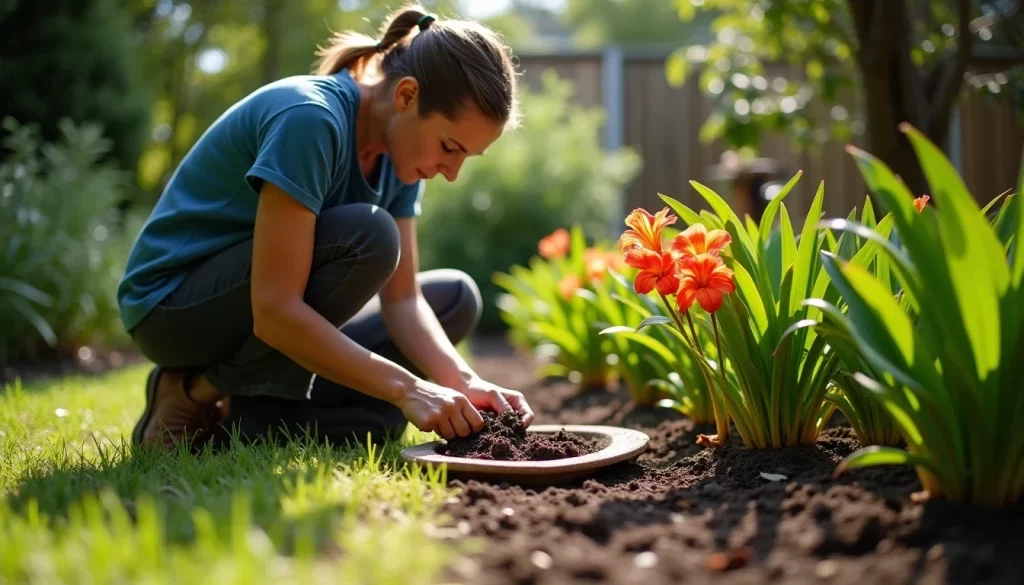
Clivia miniata belongs in woodland conditions: filtered light, leaf litter, and steady summer watering. In a Durban garden beneath established trees, it can be a strong, forgiving plant. In a Johannesburg bed with reflected heat and winter frost, it needs more shelter than most people give it. In a Cape garden, it can perform if the site is protected and not waterlogged in winter.
Plant it where the soil drains but does not go bone dry for months. Bury the crown too deep and it will sulk. Leave it in full sun and the leaves will look scorched before the season is out.
Aloe striata belongs in the open
Aloe striata is the clean answer for exposed, frosty sites with fast drainage. It handles sun properly, which is more than can be said for many “water-wise” plants people shove into bright beds and then blame when they fail. In a Johannesburg west-facing bed, it can take the heat if the soil is open and the roots are not sitting in cold winter moisture. In the Cape, it suits sandy ground and dry stretches beautifully. In a Durban courtyard, it needs more care, because humidity and weak drainage turn a tough aloe into a soft one.
Its use is simple: open site, sharp drainage, not much fuss.
Crassula multicava fits shelter better than bravado
Crassula multicava is the plant that makes people overconfident. It tolerates clay better than many species and takes partial shade, which is why it turns up in awkward corners and survives just long enough to be misread. But its preference is for shelter and relatively frost-free conditions. Put it in a protected Durban bed under trees and it can run. Drop it into an exposed Highveld frost pocket and you are asking for burnt foliage and a rough winter.
It is useful, but not universal.
Searsia crenata and grasses solve a different problem
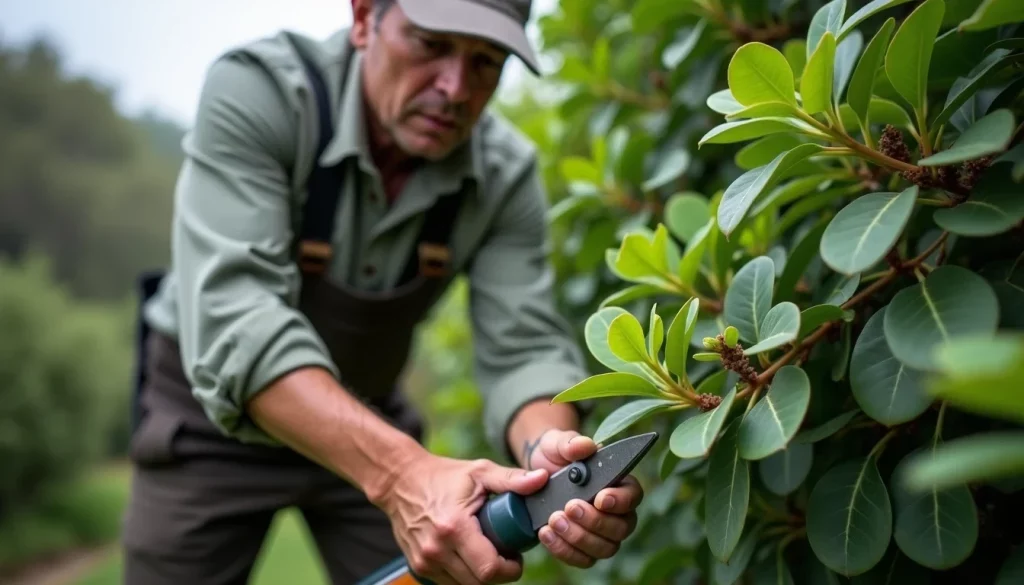
For a frosty, exposed site, Searsia crenata and hardy grasses often do more useful work than a sentimental pile of “nice indigenous things.” They handle wind, temperature swings, and the plain nastiness of open ground far better than softer woodland plants. If the bed is out in the weather, build the planting around that reality. Do not try to talk it into behaving like a sheltered forest edge.
The five-point site audit
Before buying anything, walk the bed and answer these five questions.
Aspect
Which way does the bed face, and what does that mean at 2 pm in summer? A north-facing or west-facing bed can be a furnace. East-facing beds are gentler. South-facing beds stay cooler and shadier, which changes the whole plant list.
Frost
Does cold air settle there, or does it drain away? Low pockets in the Highveld can be colder than the rest of the garden by several degrees. A plant that survives in a nearby suburb can still fail in the wrong dip on your property.
Drainage
How fast does water move through the soil? Clay holds, sand releases, and neither is automatically bad if you plan for it. The problem is pretending the bed drains when it does not. Aloe striata and a soggy hole are a bad marriage. Clivia miniata and a dry, compacted bank are equally pointless.
Rainfall season
When does the site get most of its water, and when does it need to coast? Cape gardens live with winter rain and summer dryness. Durban deals with a summer rain cycle and humidity. Johannesburg has summer rain, then a drier winter. That changes what survives without constant intervention.
Available irrigation
How much water can you realistically give the bed, and how often? Not the fantasy version, but the real one. If the tap is awkward and the hose never reaches, choose plants that can take the site as it is. If irrigation is available but irregular, do not build a planting plan that depends on weekly neatness.
Start with the vegetation type
The safest indigenous starting point is usually the plant community closest to the one you are copying. A coastal bed should begin with coastal-adapted species. A woodland edge should borrow from woodland species. A Karoo corner should not be forced to behave like the Garden Route. A Highveld slope and a Lowveld courtyard do not want the same palette.
When a plant comes from another province, it may carry a set of conditions your garden simply cannot supply. That is where people get into trouble. The plant may be indigenous, but the habitat is wrong. The mistake is not love of local flora; it is skipping the ecology and going straight to the label.
Kirstenbosch, Walter Sisulu, Babylonstoren, Brenthurst, and Vergelegen all make this obvious if you look properly. The good plantings are not random collections of “South African” species. They are site-matched decisions.
What to do this weekend
Map one problem bed before you buy another trolley of plants.
Walk it at 8 am and again in late afternoon. Note the aspect, where frost collects, where water sits after rain, how much wind it gets, and whether you can actually irrigate it without swearing. Then write down the bed’s real conditions, not the ones you wish it had.
Only after that should you choose the plant list. If the site is open and cold, start with Aloe striata, Searsia crenata, and hardy grasses. If it is sheltered beneath trees, look at Clivia miniata, Plectranthus species, and Crassula multicava. The sequence matters. Match the microclimate first, then shop.