
The Cape often turns ornamental habits into survival tactics. A plant once valued for its looks now earns its keep by enduring wind, heat, and dry spells. The current trend toward indigenous gardens feels less like a style and more like common sense catching up with the climate.
This explains the rise of strelitzia, agapanthus, and local aloes in Western Cape gardens. These are not delicate collectibles. They are resilient plants that provide enough color to prevent a yard from looking like a thirsty holding pen for lawn.
Why the Cape has changed its mind
The 2015 to 2018 Cape Town water crisis achieved what years of brochures and nursery talk could not. It made people question why they were pouring municipal water into lawns, clipped hedges, and overfed exotics that behaved as if they had been raised in a Surrey greenhouse.
Western Cape gardeners face more than just dryness. Coastal wind shreds soft foliage. Inland heat scorches plants by February. The Cape Flats can have deep sand, while Constantia has loam. Parts of the Swartland retain heavy clay long after rain. One size never fit this region, and the old habit of planting first and thinking later always led to expensive replacements.
Water-wise indigenous planting has shifted from niche talk to practical default. The new logic is simple for a tired homeowner: choose plants that already suit the climate, then arrange them so the garden works with the site instead of fighting it.
Strelitzia does the heavy lifting
Strelitzia reginae, the familiar bird of paradise, is one of the Cape’s best visual cheats. It looks lush, almost tropical, but it is not a diva. In the right place, it handles wind better than most expect, and in massed plantings, it provides enough structure that you do not need to prop the whole thing up with lawn.
Strelitzia nicolai plays a different role. It has bigger leaves, more height, and more presence. Placed near a wall, a courtyard edge, or a deep bed, it acts as a living screen. Landscapers use this plant for instant architecture without resorting to fake grandeur with pots and filler.
Nurseries know this. Kirstenbosch’s nursery, Stodels, and Cape Garden Centre all stock strelitzias because there is real demand for plants that look good without requiring weekly watering.
Agapanthus has stopped being a suburb cliché
Agapanthus used to be synonymous with municipal planting and older suburban driveways. That reputation is being revised, largely because designers have learned how to use it properly, and breeders have continuously improved the stock.
A drift of agapanthus is one of the easiest ways to make a bed look deliberate rather than patched together. The strap leaves create rhythm, the flower heads add a strong seasonal color block, and the clumps are forgiving enough for busy households that do not want to fuss over every garden corner.
Its range is useful. Blue forms still sell, but white selections and tighter cultivars appear more often in local indigenous sections. This matters if you are trying to build a garden that feels clean and modern rather than dated. For homeowners in Stellenbosch, Durbanville, or the southern suburbs who want order without thirst, agapanthus has become a dependable middle ground.
Aloes bring the drama without the irrigation bill
If strelitzia is the reliable performer and agapanthus is the workhorse, aloes are the scene stealers.
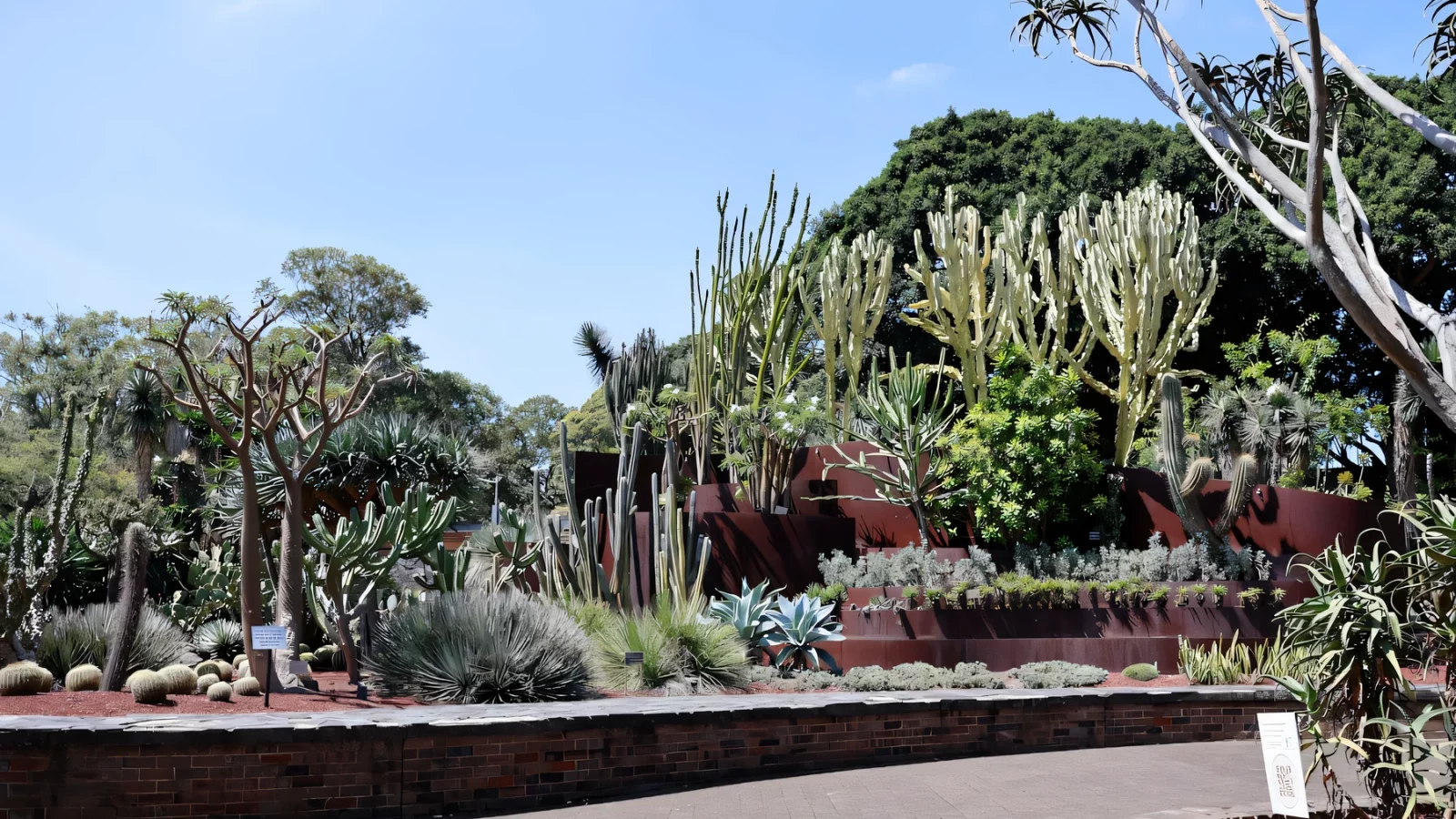
Aloe ferox provides height and a sculptural silhouette. Smaller aloes bring winter color that looks almost absurd against dry stone and gravel, as if the plant is deliberately showing off because it knows the rest of the bed has to wait for rain. This is part of the appeal. Aloes do not pretend to be soft. They look built for survival, which is exactly the point.
The trade has responded by introducing more aloe hybrids and forms to the market. This includes stock shaped by local breeding work and widely distributed hybrids from specialist aloe growers. Homeowners want a rugged plant that flowers well, sits neatly in a bed, and does not become an awkward monster by year three.
Aloes can attract pests such as snout beetles, especially when stressed or poorly sited. The solution is not to baby them. Plant them in the right place, provide drainage, and avoid overwatering, which invites trouble.
Where this style works
It works in windy coastal gardens where exposed leaves usually get shredded.
It works in inland plots where summer sun bakes the soil and anything thirsty becomes a liability.
It works on awkward corners, along driveways, around pools, and in front gardens that need structure more than lawn.
It works for people who want a garden that looks intentional on a Monday morning, not just after a weekend clean-up.
The best versions use mass planting, not one plant here and another there. A broad drift of agapanthus, a pair of strelitzias, a few aloes set as anchors, then local stone, gravel, or timber to break up the thirsty parts of the garden. That combination is doing a lot of quiet work in the Western Cape right now.
Where it falls apart
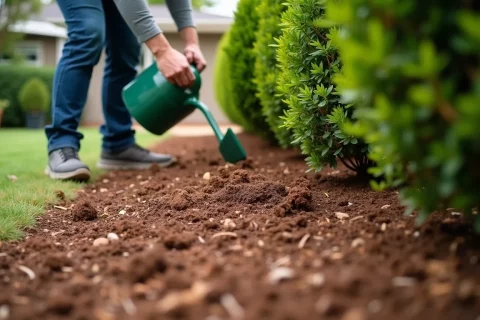
The most common mistake is treating indigenous planting as a zero-effort shortcut. It is not. Newly planted indigenous stock still needs regular water while roots are settling. The first six to twelve months matter. Ignore that, and you blame the plant for your own impatience.
Soil is the other trap. Sand needs compost to hold moisture. Clay needs better drainage. A plant perfect for a slope in Somerset West can sulk in a wet pocket in the Overberg. The plant did not fail; the site was misread.
There is also the old aesthetic complaint that indigenous gardens look wild or untidy. This only happens when people plant without a plan. A well-set indigenous garden can look sharper than a clipped lawn because the forms are stronger and the repetition is cleaner.
What the nurseries are selling now
The retail side has had to catch up. Big growers and garden centers have expanded indigenous sections because the demand is no longer optional. Kirstenbosch’s nursery remains a useful reference point for locally rooted stock. Stodels and Cape Garden Centre keep broadening what they carry. Smaller specialist nurseries in the Overberg and Winelands are filling the gaps with plants and advice that suit local conditions rather than generic landscaping fashion.
Breeders have also been working hard on agapanthus and aloe varieties. This is not glamour work, but it shapes what reaches the market. Better flower color, neater habits, longer bloom periods, and stronger disease resistance make a plant useful to homeowners who want beauty without a maintenance debt.
What to do this weekend
Walk your garden before you buy anything. Find the driest patch, the windiest patch, and the spot that always holds water after rain.
Choose one anchor plant, one filler, and one massing plant. A strelitzia, agapanthus, and an aloe can do a surprising amount of the design work.
Check the soil before planting. Sand, loam, and clay all need different handling.
Water new plantings properly for the first season, then back off once roots have taken hold.
If you want the garden to look intentional, repeat plants instead of scattering one of everything across the bed.