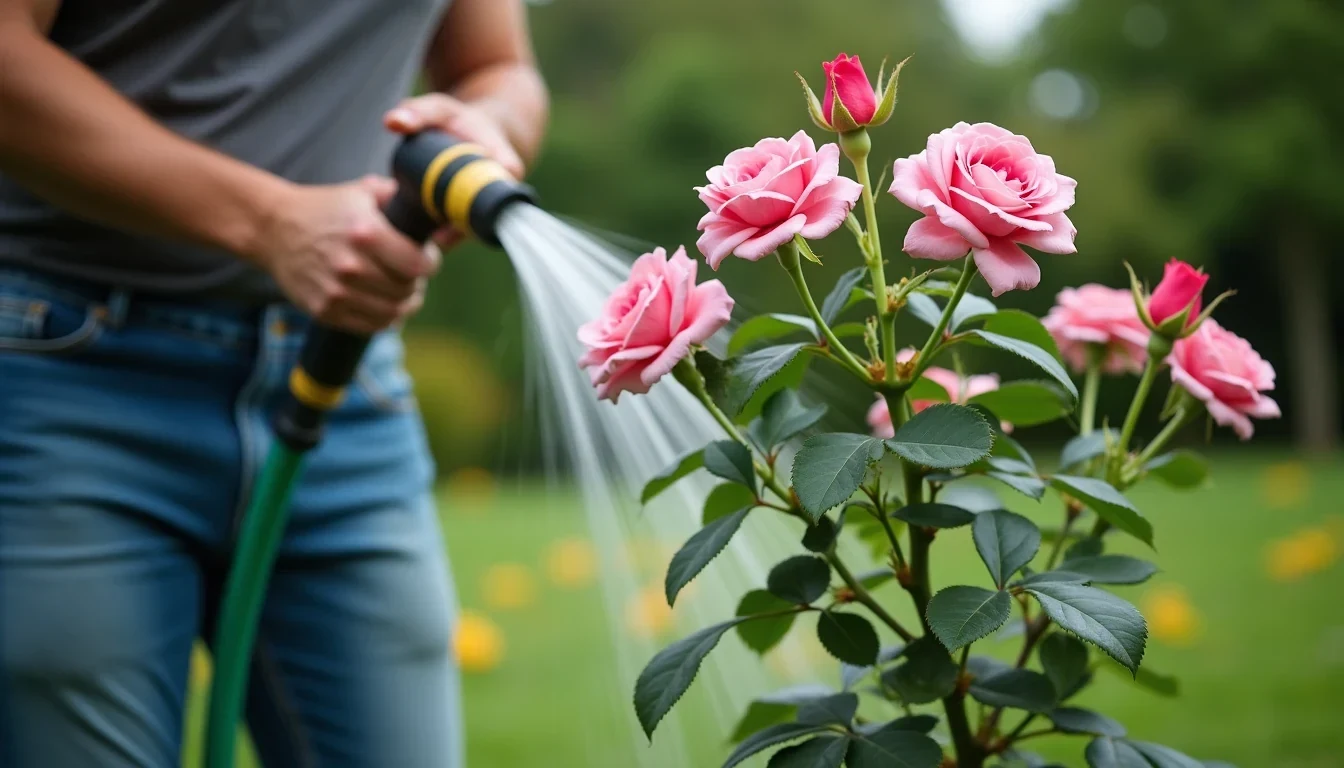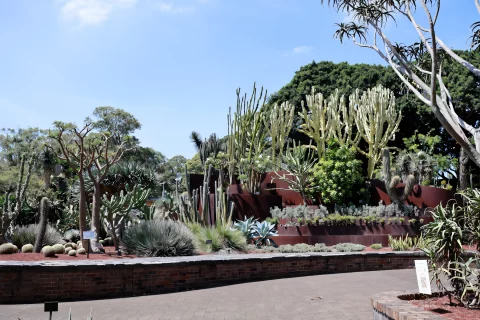

Summer water cuts do not have to turn a garden into a row of apologetic pots and a dead patch of lawn. The mistake is treating water as a single blunt problem. Design the garden like a trade yard, with each part doing a different job, each plant earning its place, and the thirsty things kept close to the tap where they can be managed properly.
This is the real trick in a South African garden under restriction. You do not win by watering less across the board. You win by stopping the waste, putting the right plants in the right places, and refusing to spend precious liters on species that were never going to repay the effort.
Build zones instead of guessing
Hydrozoning sounds technical, but the idea is plain: plants with similar water needs belong together. If a bed contains rosemary, a young hydrangea, a clump of dietes, and a patch of lawn, somebody in that bed is being mistreated. The thirsty plant gets shortchanged, or the hardier ones get drowned.
A practical layout usually has three bands. The first is the high-use zone, the patch nearest the house, the stoep, or the front entrance, where you are happy to water more regularly because you see it often. A small lawn, annual color, or a slightly fussier shrub can live there. The second is the middle zone, where established shrubs and perennials sit on a steadier, lighter watering schedule. The third is the dry zone, which should carry the plants built for heat, sun, and neglect, especially on exposed edges, slopes, and awkward corners.
This works with the garden you actually have. Walk the site, check where the sun hits hardest, note where the soil turns heavy and sticky after rain, and where it runs sandy and loose. Put the moisture-hungry plants where hand watering is easy and keep the tough indigenous material for the rougher ground. If you have to run irrigation, split the zones rather than making every bed drink the same amount. Drip lines and soaker hoses make sense in the first two zones because they send water to the roots and waste less to air and paving.
Mulch properly or do not bother
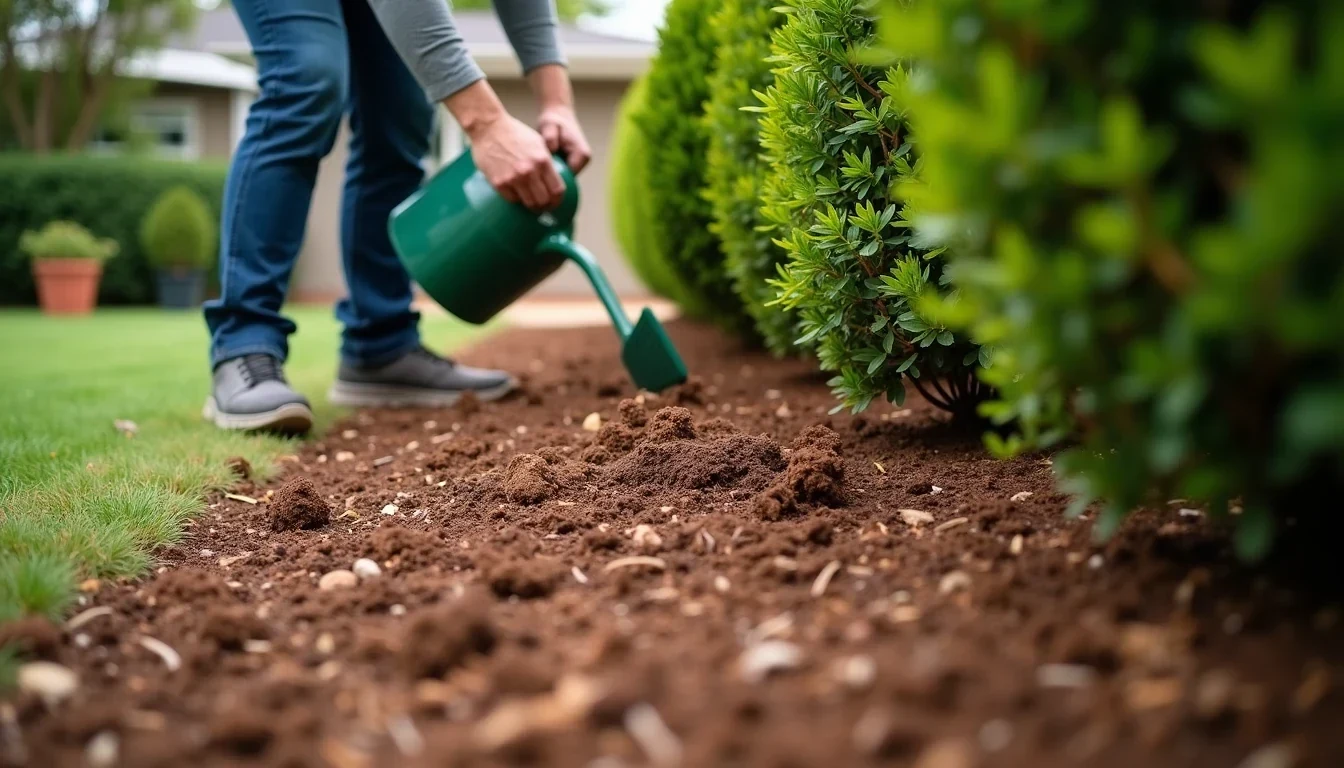
A thin dusting of bark does not count as mulching. It looks tidy for a week, and then heat takes the moisture anyway. If the goal is to slow evaporation, the layer needs to be serious, roughly 75 to 100 mm deep across planted beds.
That depth keeps the soil dark. It shields the surface from direct sun, keeps the root zone cooler, and cuts down on weeds that would otherwise steal both water and attention. In practical terms, it means less hose time and fewer emergency panic sessions when the weather turns nasty.
Composted pine bark chips are easy to find at local nurseries and builders’ garden centers, and they break down slowly enough to be useful through a season. Macadamia nut shells are a neat option in parts of KwaZulu-Natal and Mpumalanga where the by-product is close at hand. Sugarcane mulch and lucerne hay suit vegetable beds or places where the soil needs a quicker feed. Mature compost is best treated as a soil improver under the mulch, not the mulch itself, because it lifts the soil condition before the top layer goes on.
Keep mulch away from stems and tree trunks. A clear gap of 5 to 10 cm reduces collar rot and stops pests from setting up home right against the plant. Weed the bed first, or the mulch will simply hide a job you still have to do later. If a stubborn area keeps pushing through, a layer of black and white newspaper under the mulch can help smother it. Skip fresh wood chips if you can, because they can rob nitrogen while they break down. Avoid fine sawdust, which tends to pack down and shed water instead of soaking it in.
Greywater is useful, but only if you keep it sane
Greywater gets a lot of careless praise. Used badly, it becomes a smell, a blockage, or a health risk. Used properly, it can stretch a garden through a dry stretch without pulling more from the municipal line.
The legal and practical starting point is simple enough. The National Water Act of 1998 provides the broad framework, and local municipal bylaws set the detailed rules. In places like Cape Town, you need to pay attention to where the water goes, whether it crosses into stormwater systems, and whether your setup could contaminate drinking water. Small bucket-and-carry use is usually straightforward. Plumbed systems, tanks, and pumps often bring paperwork into the picture, so check with the municipality before installing anything more ambitious.
Not all household water qualifies. Keep it to baths, showers, and the rinse cycle from washing machines. Leave out toilet water, kitchen sink water, and dishwasher discharge. Those are carrying too much grease, food waste, or pathogen load to be casual about.
The soap matters too. Choose low-sodium, low-phosphorus, biodegradable products and keep bleach, fabric softeners, and heavy-duty cleaners out of the chain if you expect the soil to stay healthy. Apply greywater below the surface or straight onto soil around non-edible plants. Spray systems are a bad idea because they spread droplets into the air. Storage should be short, no more than 24 hours in a covered, dark tank, or the water turns stale and starts behaving like a science experiment. Fit a basic filter for hair and lint, keep the line draining properly, and clean the system before it turns into a maintenance problem you ignored on purpose.
The plants that still look good when the tap is stingy
A water-restricted garden does not need to look like punishment. The better indigenous choices hold their shape, flower well, and handle heat without demanding a full irrigation regime.
Portulacaria afra is the obvious heavy hitter. Spekboom grows into a dense shrub or small tree with small round leaves on reddish stems. It can be clipped into hedges, trained as a specimen, or used as a groundcover. It tolerates dry spells with very little fuss once established.
Strelitzia reginae gives you the kind of structure people usually try to fake with exotics. Its orange and blue flowers look theatrical, but the plant itself is tough, architectural, and happy in a transition zone once it has rooted in. It suits places where you want impact without constant watering.
Dietes grandiflora is one of the hardest-working perennials around. The clumps stay evergreen, the narrow leaves keep their shape, and the white iris-like flowers return through much of the warm season. It handles dry conditions better than its appearance suggests, which is why landscapers keep reaching for it.
Aloe striata is a gift for bright, dry spots, especially where the sun bounces off walls or paving. The flat, glaucous leaves give it a quieter look than the spikier aloes, and the coral flower spikes carry it through the heat. It belongs in a dry zone, not a pampered bed.
Agapanthus africanus earns its keep too, especially in coastal or milder inland gardens. The leaves can take the pressure, the flower heads lift cleanly above the clump, and established plants cope with restrained watering far better than many people expect. It is one of those plants that gets underestimated because it is familiar.
What to do this weekend
- Map the garden into three watering zones and move the obvious thirstier plants closer to the house.
- Top up mulch to a real 75 to 100 mm depth, then pull it back from stems and trunks.
- Check whether any greywater use in the garden is legal and practical before you route a hose anywhere.
- Replace one weak, water-hungry bed with drought-tough indigenous planting.
- Look at the garden at noon, not in the morning, and decide which parts deserve water first and which parts deserve none at all.