
Johannesburg’s harshest garden beds are usually the ones designers ignore. They face west, bake through the afternoon, bounce heat back off paving or brick, then freeze hard when the cold fronts roll through. That is exactly the sort of place where Aloe striata stops being a nice-to-have and starts looking like common sense.
Coral aloe has been stranded in the “safe” end of the succulent aisle for too long, as if its job is to sit politely in a mixed border and hope for the best. In a Highveld garden, it is far more useful than that. SANBI records it as able to take severe frost and prolonged drought. Its smooth, low rosette gives you structure without the prickly, defensive look that makes some aloes feel like they are waiting to argue with the gardener.
Where it works
Aloe striata earns its keep in west-facing beds in Johannesburg and Pretoria, especially where a wall, driveway, or slab sends heat back into the planting space late in the day. That reflected heat is brutal. Soft-leaved plants collapse there, and even some ordinary drought-tolerant shrubs look sulky by February. Coral aloe takes the punishment and keeps its shape.
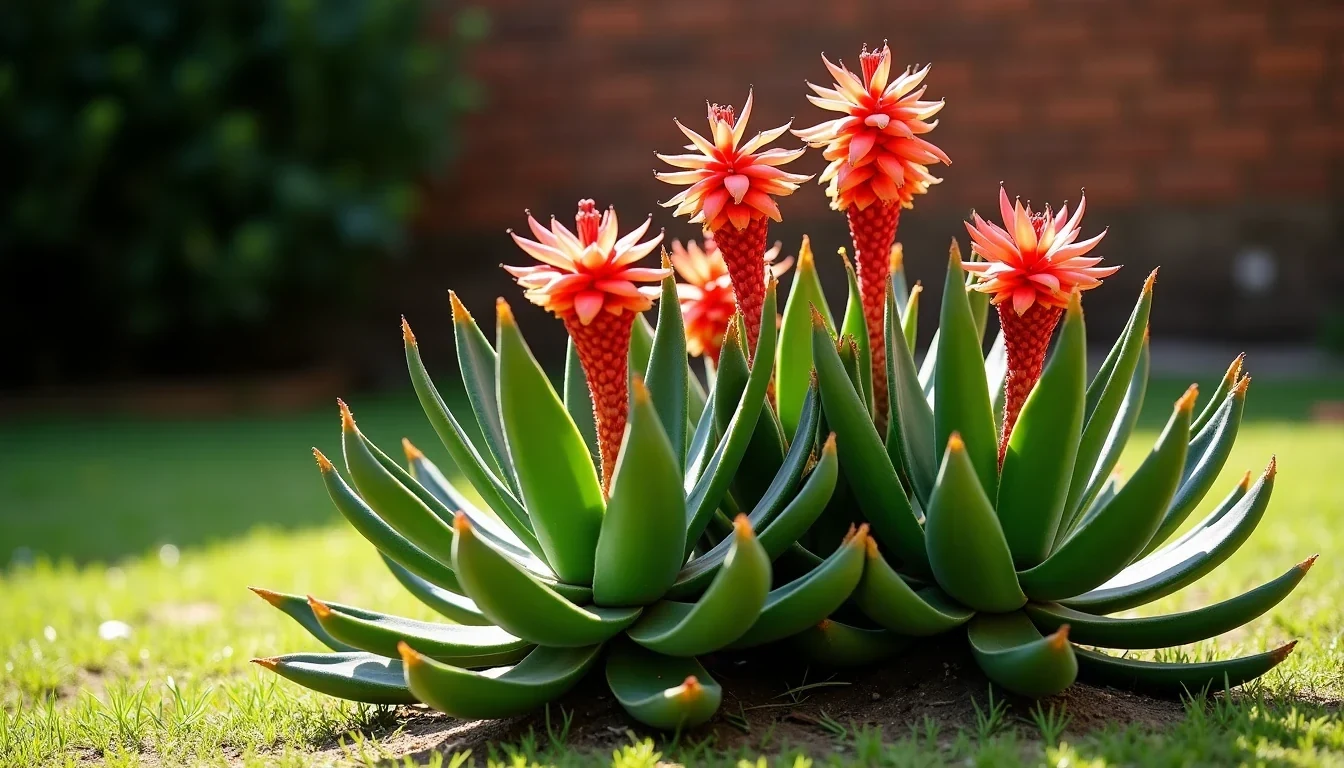
The plant itself is neat, not fussy. The leaves are broad, smooth-edged, and arranged in a low rosette that usually settles around 60 cm across and 30 to 40 cm high. In winter, coral-red flower heads rise on stems that can reach about a metre. The plant stays visually active when the rest of the bed has gone flat and brown. Those flower spikes also pull in sunbirds when the garden is otherwise offering very little.
This is why it works so well in odd-numbered groups. One aloe looks like a specimen in a pot. Three, five, or seven start to read as a design decision. The eye gets rhythm.
Where it does not
Put Aloe striata in deep shade and it will tell on you. The rosette stretches, the leaves lose their compact look, and the whole plant starts to look as if it is reaching for a light switch. That is a plant trying to survive in the wrong place.
Poor drainage is worse. If water hangs around the roots, or if the crown stays damp after watering, the plant slides into decline fast enough that people often blame the nursery rather than the site. That is unfair. Coral aloe is not a bedding annual. It should not be treated like one, and daily irrigation is a good way to turn a tough succulent into a soft, miserable mess.
Planting depth
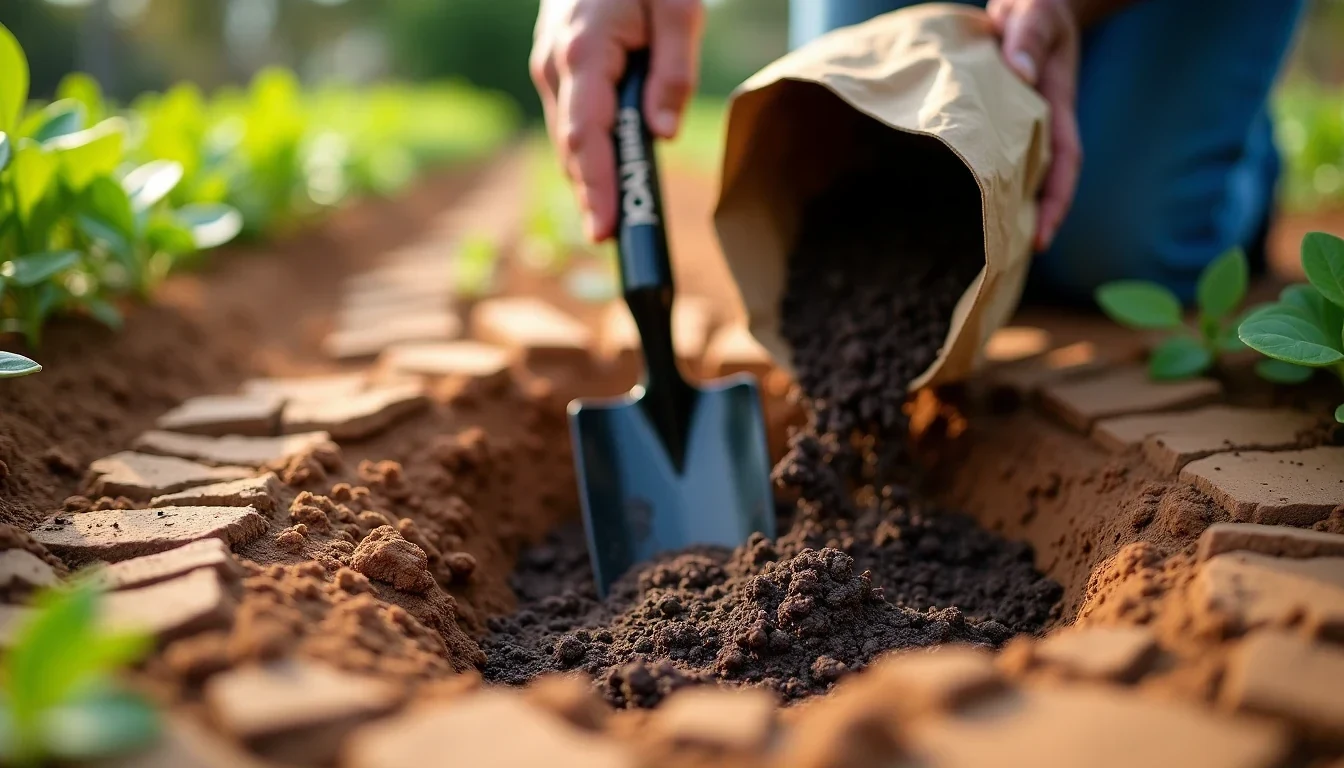
Dig the hole wider than the root ball, but not deeper. The top of the root ball should sit level with the surrounding soil, or slightly proud of it. The crown, the point where the lowest leaves meet the roots, must stay above wet soil. That rule keeps the plant alive.
If the soil is heavy, leaner, or holds water after rain, improve the bed before you plant. Coarse sand, grit, and a modest amount of compost will help, but if the site is truly sticky clay, a raised mound or raised bed is the cleaner fix. Aloe striata prefers air around its roots. It does not want to sit in soup.
Spacing matters too. Give each plant about 45 to 60 cm from the next one. That leaves room for the rosettes to mature without collapsing into each other, and it keeps air moving through the group. Crowding a succulent creates fungal problems, and then the centre of the clump goes soft.
What to plant with it
The strongest companions are the ones that respect the aloe’s shape. Aristida junciformis brings fine, wiry movement and softens the geometry without swallowing it. Bulbine frutescens adds a looser, sunnier note with yellow or orange flowers and a lower profile. Tulbaghia violacea gives purple blooms and a different leaf texture, while still coping with sun, frost, and dry spells.
Low groundcovers can work too, but they need discipline. Keep them low enough that they never bury the aloe’s base. Delosperma cooperi gives colour and stays honest if you manage it well. Dymondia margaretae can make a neat silver mat, but the moment anything starts climbing into the crown, it stops being a companion and starts becoming a problem.
The point is contrast, not competition. Coral aloe has a clean silhouette. Plant it with neighbours that frame that silhouette instead of smothering it.
Watering rhythm
The first summer decides a lot. Water deeply after planting, then let the soil dry before you water again. For that first season, a rhythm of about once every 7 to 10 days is a sensible starting point, but only if the soil is dry down a few centimetres. If rain has already done the job, walk away.
Always water at the root zone. Do not flood the centre of the rosette. Wet leaves, especially wet crowns, invite rot. The plant was not delicate; it was badly handled.
Once established, Aloe striata wants far less attention. In winter, cut irrigation back hard. If the season is dry and you feel compelled to help, give it a light drink every three to four weeks, not a routine soak. The plant is built for lean conditions, and it behaves better when you stop over-parenting it.
The test before you plant
If you want coral aloe to perform, do not guess at the site. Check the hottest open bed in the garden, the one that takes full afternoon sun and gets battered by heat off nearby surfaces. Then test the drainage.
Dig a hole roughly 30 cm deep and 30 cm wide. Fill it with water and let it drain away. Refill it, then measure how much the water level drops over 30 minutes. Fast drainage is the goal. If the water crawls away slowly, the bed needs work before you put a single aloe into it.
That one test saves a lot of money and embarrassment. A plant this resilient should not be lost to a patch of stubborn clay beside a driveway.
This weekend
Pick the hottest exposed bed in the garden, the one that gets the full late-afternoon blast. Check whether it sits beside paving, brick, or a wall that throws heat back after lunch.
Then do the drainage test before you buy anything. If the water sits, fix the soil or raise the bed. If it drains cleanly, mark out groups of three, five, or seven Aloe striata plants, and plan the companions around them instead of forcing the aloe to fit someone else’s idea of a pretty border.