
Clivias fail because gardeners keep putting them in places that look sheltered from the patio door but behave badly for a plant that wants bright filtered light, summer moisture, and a dry winter spell. A clivia can forgive a lot, but it will not forgive decorative shade that is either too thin for December sun or so gloomy that it sulks through flowering season.
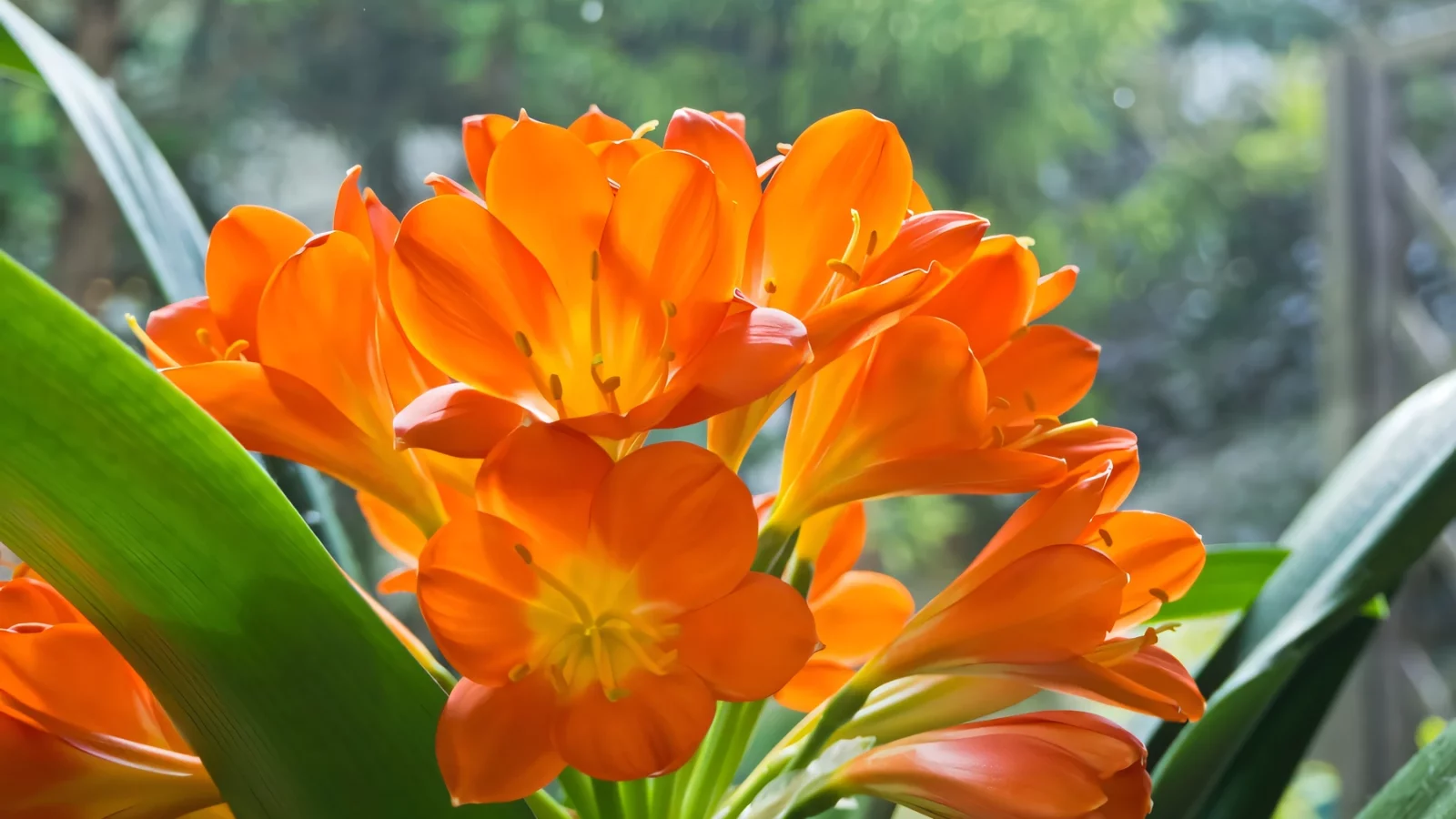
The mistake is easy to spot once you know what to look for. The leaves tell on you first, with scorch on one side or pale, stretched growth on the other. The flowers are less forgiving still. A healthy clump in the right place throws up the kind of stem that makes neighbors ask questions. A clump in the wrong kind of shade just sits there looking expensive.
Where clivia works
Clivia miniata comes from the forested parts of the Eastern Cape and KwaZulu-Natal. The plant wants light through a canopy, not a blast of direct sun, and it wants roots sitting in rich, open soil that holds moisture without turning sour. In a South African garden that usually means a spot with bright filtered light, some summer rain or regular watering, and winter shelter from frost.
That combination is easier to describe than to find. The best sites are often the ones gardeners stop noticing once they are installed: a tall tree with a decent canopy, a bed that gets morning light and then settles into shade by lunch, or a border protected by a wall or eaves where frost does not hit first. Clivias reward those in-between places where the light is soft and the soil never bakes hard.
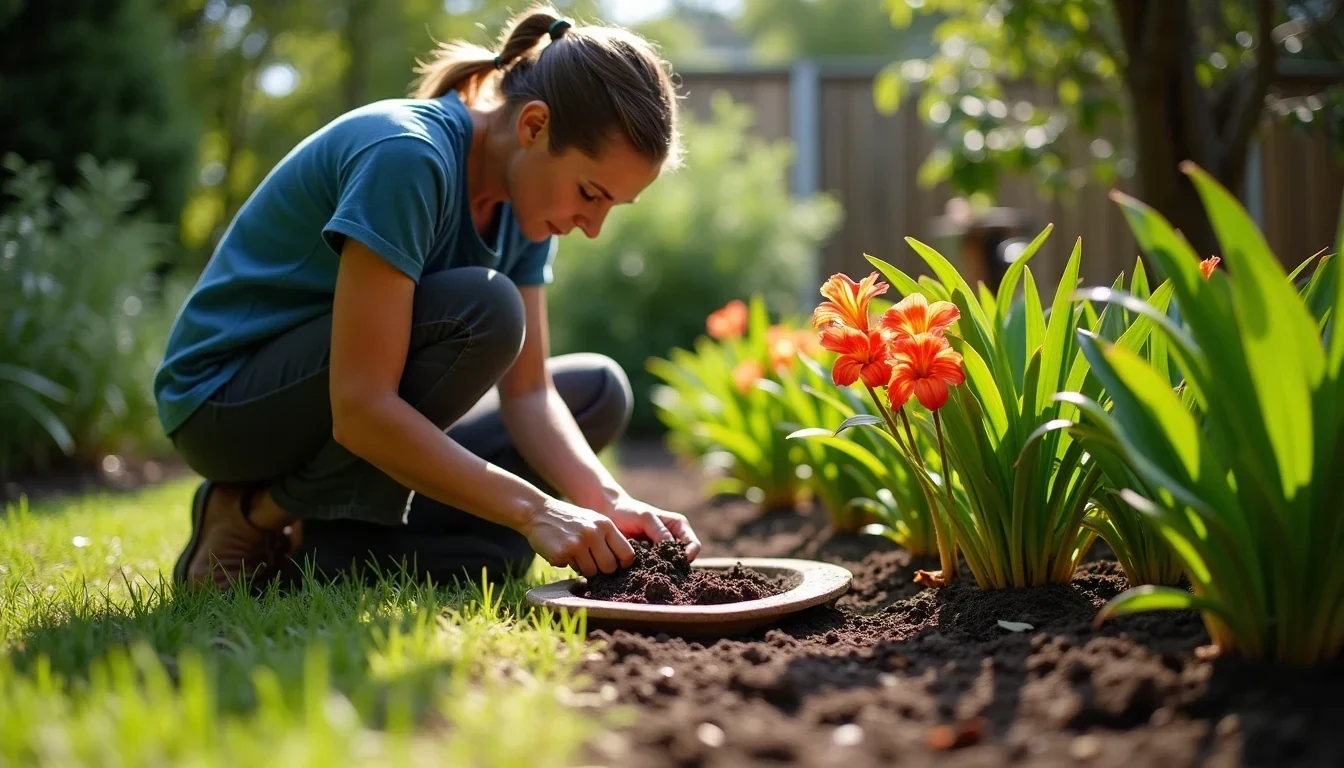
Summer is the working season. From roughly September through March, clivia wants regular water and enough feed to keep the leaves moving. Compost in the soil helps more than decorative bark ever will, because the plant is feeding from a shallow, fleshy root system that hates hunger and drowning. A light dressing of organic mulch also keeps the surface from drying into a crust after a hot spell.
Where it does not
Most clivia trouble starts with a good intention and a bad site. The new pergola with a young climber on it looks lovely for six months, then January arrives and the sun drops straight through the gaps. Thin shade is not the same as useful shade. If midday sun hits the leaves, the plant pays for it in scorch and patched-up growth.
The same thing happens under a thin deciduous tree. In summer the shade can be perfect. In winter the leaves are gone, the canopy is open, and the plant is left exposed to sun and cold when it should be resting. In frost-prone gardens that can be a real problem. Clivias want shelter from an overhead canopy, a wall, or eaves, not an open bed that gets the first bite of frost.
A dark covered patio creates the opposite problem. It usually protects the plant from frost and can keep winter rain off the crown, which sounds sensible until you see the flowering. Too little light means the clump can make plenty of foliage and almost no flower stems. You end up with a plant that survives beautifully and performs badly.
The middle ground is the trap. Gardeners call it shade, but the plant experiences it as either glare or gloom. Clivia wants neither.
Under mature trees
A mature tree can be the best and worst clivia site in the same garden. It gives real, living shade, the kind that shifts through the day and feels closer to the plant’s natural habitat. It also protects against frost in a way a flimsy pergola never will.
The catch is below ground. Mature trees are greedy. Their roots take the first drink and a good share of the food, especially if the tree is an old Acacia karroo, a eucalyptus, or a jacaranda with a wide root zone. Put clivias there and you are asking them to compete in a very unfair contest. The leaves may look fine for a while, then flowering thins out and the clump stalls.
The fix is not to give up on the site, but to manage the competition. Add generous compost around the plant, mulch well, and water deeply rather than often. A shallow sprinkle only wets the top and feeds the tree more than the clivia. A proper soak pushes moisture down where the roots can actually use it.
Against a south-facing wall
Against a south-facing wall, clivia gets steady protection from harsh sun in the southern hemisphere. The wall also gives some frost buffering, especially when the garden is open and windy.
The downside is winter wet. A shaded wall can stay cold for longer because it gets less drying sun, and cold wet soil is a poor place for fleshy roots. If drainage is sloppy, the clump pays for it with rot and weak growth. This is not a plant that enjoys sitting in a wet patch through July.
The answer is drainage, not optimism. Work in coarse compost, keep the crown high, and avoid planting into a basin where winter water gathers. If the soil is heavy, lift the bed slightly or build in enough grit and organic matter to keep air moving through the root zone.
Inside a covered patio
A roofed patio sounds like a clever compromise. It keeps frost off and keeps winter rain away from the crown. For potted plants that can be moved, it can be handy.
The trouble is light. Covered patios are often too dim for clivia to flower properly. The plant does not need full sun, but it does need enough brightness to set buds. In a gloomy patio it often grows long and neat, which fools people into thinking it is happy. Then spring arrives and there are no stems.
If a patio is the only frost-safe spot, use it as a winter holding place and move pots to brighter filtered light when the weather turns warmer. A permanent life in deep shade is a good way to get leaves and very little else.
Planting depth and clump handling
Clivia crowns should sit at or just above the soil surface. Bury the crown and you invite rot. This mistake looks harmless for months, then suddenly becomes a problem after a wet spell.
The other common blunder is dividing a clump simply because it has become large. Large is not the same as tired. Mature clivia colonies often flower better when they are left alone. A crowded clump can still be a strong clump. Division makes sense only when flowering has clearly dropped, the plant is badly cramped, or you want material for propagation.
If you do divide, do it after flowering or in early autumn so the pieces have time to root before the next hard season. If the plant is flowering well, leave it alone. Plenty of clivias perform best when gardeners stop helping.
Watering rhythm and winter rest
Clivia wants regular water in summer and a much drier winter. Push water hard through the active growing months, then back off once the weather cools and flowering buds start to form.
Summer moisture keeps the leaves firm and the roots active. Winter dryness helps reset the plant for flowering. If you keep the soil wet through winter, especially in a cold site, you invite rot and blur the signal that tells the clump to bloom. The plant reads that as no real resting period.
Frost-prone gardens need extra care here. Shelter from a canopy, wall, or eaves matters more than a fashionable open bed. If the only planting site is exposed, you are asking a frost-sensitive plant to negotiate weather it was never built for.
What to do this weekend
Check three things before you move or split anything.
Look at the leaves for scorch, especially on the side that faces afternoon sun. Check the flowering performance, not just the foliage. Then feel the soil a few centimeters down. If it stays cold and wet, the site is wrong. If it dries to dust under a hot roof, the site is wrong. If the clump is healthy, the safest move may be no move at all.