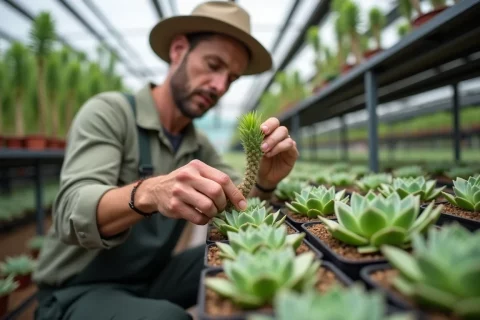

A nursery manager in Pretoria watched the July 2025 launch of the One Million Trees campaign with the particular scepticism of someone who has seen too many saplings die in parking lots. SANBI’s designation as the programme’s tree bank means official demand for seed and stock will surge. The broader National Greening Programme wants ten million trees in the ground by 2026, split sixty-forty between fruit and indigenous species. But anyone who has walked past a municipal planting six months later knows the truth: the number in the ground on day one tells you almost nothing about what still lives at month twelve, let alone month twenty-four.
The gap between planted and surviving
Campaign reporting follows a rhythm everyone in the trade recognises. Press releases count trees. Photo opportunities happen. Then the attention moves elsewhere, and the real mortality begins. Without systematic tracking, hard survival figures for South African initiatives remain scattered. Evidence from comparable large-scale programmes, both here and in developing economies with similar constraints, points to first-year attrition between thirty and fifty percent where aftercare is thin or absent. A second wave of losses typically follows through the second year as weakened specimens succumb to drought, competition, or the delayed effects of poor establishment.
The One Million Trees campaign currently reports planting volumes. It does not publish verified survival audits at the twelve-month and twenty-four-month marks. The National Greening Programme’s ecological intent, the sixty-forty fruit-to-indigenous mix, only achieves its purpose if those proportions describe living trees contributing to canopy cover and food security, not rotted stakes in forgotten soil.
Why trees actually die
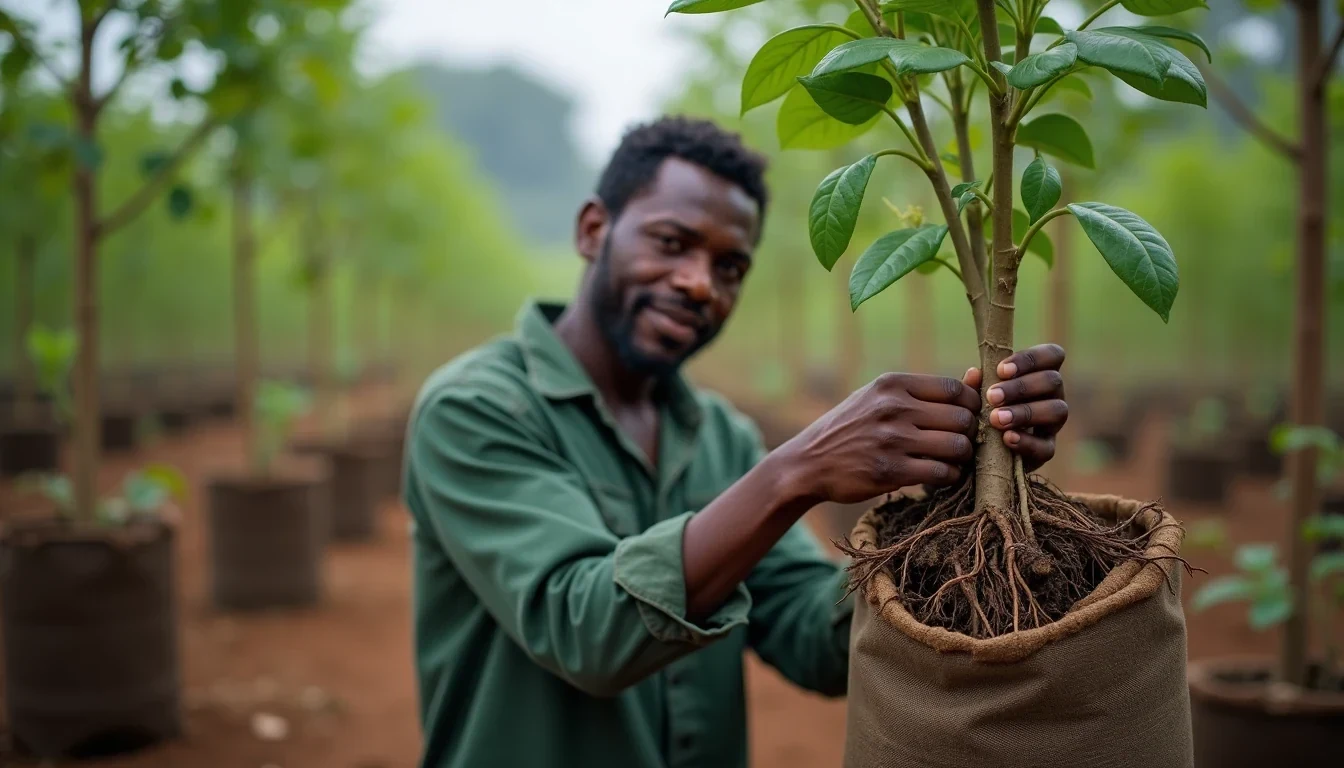
Root-bound stock represents perhaps the most preventable cause of failure. Trees held too long in undersized containers develop circling root systems that never correct themselves. A Karee or River Bushwillow left to coil through a ten-litre bag will carry that structural defect to its grave, the roots eventually girdling the trunk and choking water movement. The tree looks fine at planting. It often looks fine at month three. By month eighteen it is declining, and by then the contractor has been paid and the nursery’s responsibility has ended.
Species mismatch kills faster and more visibly. Planting Waterberry in Karoo conditions, or positioning an unprotected Wild Banana where Highveld frost sweeps through Bronkhorstspruit or Heidelberg, produces casualties that embarrass everyone involved. These are obvious mismatches between plant and place, the kind that a proper site assessment would prevent.
The absence of irrigation planning completes the familiar pattern. Newly planted trees in the interior’s dry winters, or the Western Cape’s rainless summers, cannot survive on goodwill and rainfall averages. Young root systems lack the reach and density to forage for moisture. Deep, consistent watering through the first two dry seasons is the difference between establishment and replacement.
Poor planting technique compounds every other problem. Root collars buried too deep, air pockets left around the root ball, compacted soil resisting root penetration: each error adds stress to an already vulnerable plant. Weeding neglect, goat browsing in peri-urban sites, and unaddressed early pest outbreaks finish the work.
What an establishment package actually contains
The trade opportunity sits in bundling these known requirements into formal, purchasable services. Several South African operators already move in this direction without necessarily branding it as such. Just Trees in the Western Cape, primarily a large-scale production nursery, consults on species selection and works closely with landscape architects who manage establishment phases. The Tree Centre in Gauteng supplies mature specimens with delivery, professional planting, and aftercare advice built in. Living Green, operating across Gauteng and the Western Cape, integrates supply with design, installation, and maintenance contracts. The Indigenous Tree Nursery in KwaZulu-Natal partners with environmental consultants on restoration projects that include monitoring.
What remains is formalisation: explicit packages with explicit survival accountability.
A thorough site assessment comes first. Soil type, drainage, sun exposure, wind pattern, frost risk evaluated against actual weather data. From this, species selection follows with biome-appropriate recommendations. Wild Olive for dry sites. Fever Tree where water tables sit high. No Waterberry dispatched to the Karoo.
Stock quality must be specified contractually: healthy, well-developed root systems without circling, appropriate container size for age, freedom from pests and diseases. The planting itself requires professional execution: correct hole dimensions, loosened surrounding soil, exposed root collar, elimination of air pockets, initial deep watering to settle the root ball.
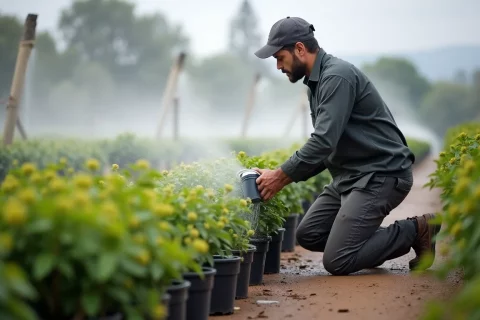
The irrigation plan is where most current programmes stop. Establishment packages must continue with a schedule for deep watering through the critical twenty-four months, potentially including drip installation or water delivery services for remote sites. Staking against windthrow, with flexible ties that do not girdle. Physical protection against browsing, vandalism, and machinery. Mulching for moisture retention, temperature moderation, and weed suppression. Initial structural pruning and pest monitoring to catch problems before they become fatal.
Pricing illustrates the gap between supply and establishment. A twenty-litre Outeniqua Yellowwood might leave a nursery at R350 to R500. The full package, delivery, planting, staking, mulching, and a three-month irrigation plan, adds R800 to R1,500 per tree depending on scale and location. The campaign that budgets only for the first figure is buying failure at volume.
How procurement must change
The One Million Trees initiative and the broader National Greening Programme need to stop contracting for saplings and start contracting for living trees. This requires two structural shifts: redefined success metrics and performance-based payment.
Success metrics must move from “trees planted” to “trees established,” with verified survival at twelve and twenty-four months. Photographic evidence, third-party audit, or both. The current reporting convention, counting what leaves the truck, serves political timelines rather than ecological outcomes.
Payment structures should follow. A substantial portion of contractor and nursery fees should be contingent on meeting survival thresholds. This concentrates industry attention on the twenty-four-month mark, not the planting day. Nurseries and landscape contractors who currently supply components of establishment informally would have direct incentive to formalise and guarantee them.
Budget allocation needs to match. Post-planting care, monitoring, and maintenance for the first two years should receive explicit funding comparable to the initial stock purchase. The alternative is paying twice: once for planting, again for replacement.
Technology can support verification without becoming a distraction. Simple monitoring protocols, geotagged photography, scheduled inspection reports. The goal is not elaborate surveillance but basic accountability: this tree was planted here, it was alive at twelve months, it was alive at twenty-four.
Community partnerships for ongoing care offer another route, particularly in rural and peri-urban sites where formal maintenance capacity is limited. Local stewardship, properly trained and modestly compensated, extends the effective reach of professional establishment services.
What the trade should do this weekend
For nursery operators and growers, the immediate task is arithmetic. Calculate your current survival rate for contract plantings where you have any visibility past delivery. If you do not have visibility, that is itself a finding. Then model what a formal establishment package would cost to deliver, and what survival guarantee you could attach at that price.
For campaign administrators and municipal procurement officers, audit your last major planting. Walk the sites. Count the living. Compare that number to the press release. The gap is your actual performance, and it is the number the next contractor should be paid against.
The ten-million-tree target will generate demand regardless. The question is whether South African nurseries and the campaigns that drive them will capture value from living trees or continue the familiar cycle of planting, forgetting, and replacing. The species that survive, the quality stock that establishes, the irrigation that continues past the photo opportunity: these are not afterthoughts. They are the entire business, if the industry chooses to treat them as such.