
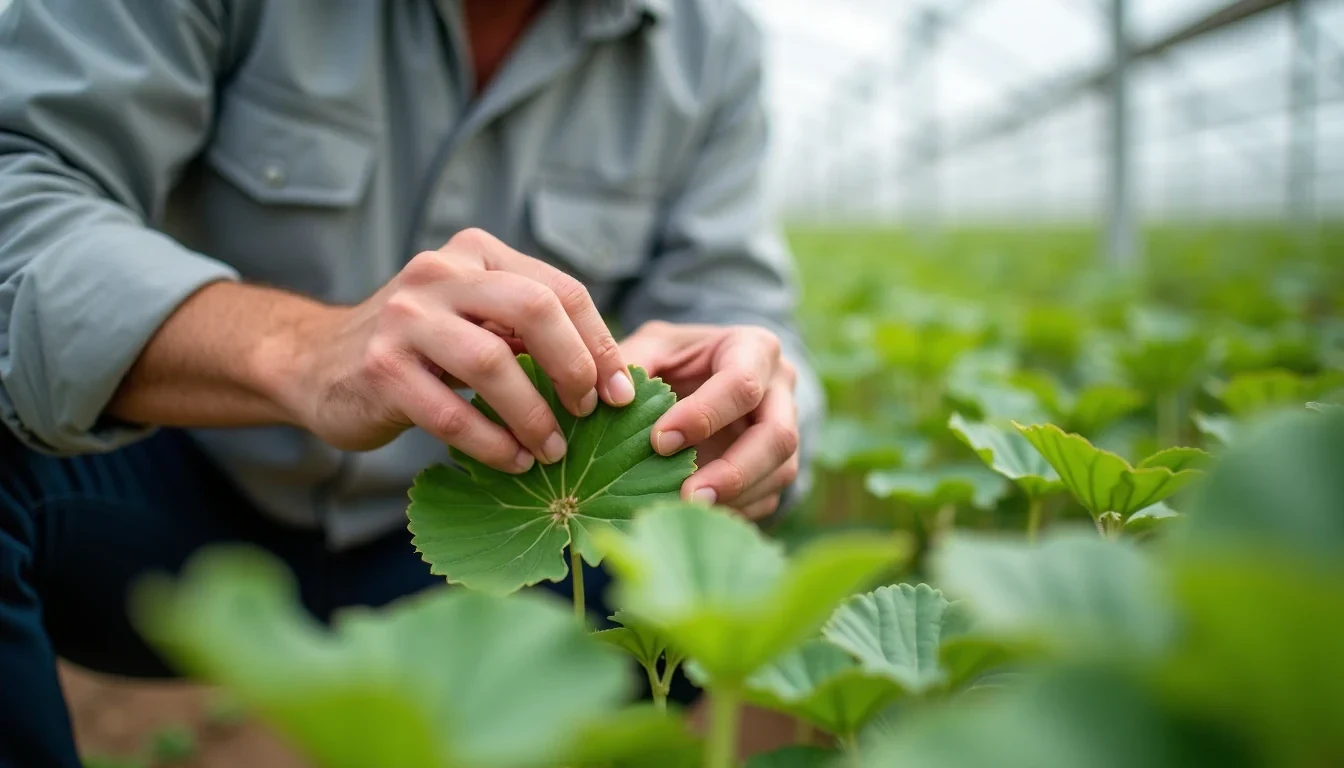
The first aphid explosion hit six weeks after they stopped spraying. Johan Venter, who runs the propagation block at a wholesale nursery outside Paarl, walked the rows one February morning and found cotton aphids clustering so thick on the new plectranthus growth that the stems looked furry. Under the old system he would have mixed a pyrethroid that afternoon and fogged the whole tunnel by evening. Instead he counted. Ten leaves per plant, twenty plants per row, sticky traps checked and logged. He then released another batch of Aphidius colemani wasps and waited three more days. The wasps caught up. At that moment, he knew the calendar spray was dead.
Why one block became the test
Venter’s nursery had sprayed on rotation for fifteen years. Broad-spectrum insecticides every fourteen days, wet season or dry, whether scouts found pests or not. The chemistry kept damage below saleable thresholds most of the time, but costs climbed and efficacy slipped. Spider mites in particular had become a recurring headache; the two-spotted kind (Tetranychus urticae) resisted abamectin by the third season of use. The grower chose one 2,000-square-metre block for a controlled conversion, everything else staying on schedule as a financial backstop. The trial ran through two full production cycles before they expanded.
The insects they enlisted
The beneficial roster was not exotic. Aphidius colemani parasitic wasps and two-spotted ladybirds (Adalia bipunctata) handled the aphid guild. For thrips, primarily western flower thrips, they released Amblyseius swirskii predatory mites and Orius insidiosus, the minute pirate bug. Whitefly fell to Encarsia formosa wasps with swirskii backing them on eggs and nymphs. Spider mites, the original troublemaker, got Phytoseiulus persimilis, a mite so specialized it starves without Tetranychus to eat. Green lacewing larvae (Chrysoperla carnea) roamed as generalists, mopping up whatever the specialists missed.
Sourcing quality stock proved harder than choosing species. The South African biocontrol market is thinner than Europe’s. Venter eventually locked in a standing order with Koppert’s local distributor and another with Andermatt Madumbi, planning releases six weeks ahead. Early on, a shipment of persimilis arrived heat-stressed and half-dead. This R4,200 lesson taught them to check cold-chain integrity before signing. They now unpack every delivery in the packhouse, verify movement under magnification, and photograph batches for the supplier if counts look off.
What they measured and what changed
Monitoring replaced spraying as the main labour sink. Scouts checked ten percent of plants weekly, counting pests and beneficials per leaf, replacing yellow and blue sticky traps at one per hundred square metres, logging everything into a spreadsheet Venter still calls “the bible.” Before IPM, damage ratings on a zero-to-five scale averaged 3.5 on susceptible crops with fifteen percent of plants unsaleable. After establishment, cosmetic damage dropped below 2 on average and cull rates fell under one percent. Yield of saleable cuttings rose roughly eight percent, though Venter notes that figure wobbles with season and crop mix.
The chemical ledger showed the sharpest shift. Calendar spraying had meant two to four broad-spectrum applications monthly across the block. In the second year of IPM, that dropped to three targeted spot treatments for the entire twelve months. Labour hours for mixing, spraying, and equipment cleaning fell by about two-thirds. Some of that time shifted to scouting and release work, but as the crew got faster at identification, total hours per block evened out slightly below the old baseline. Spray gear lasted longer too, as there was less exposure to solvents and emulsifiers eating seals and nozzles.
When chemistry still gets the call
The nursery never went pesticide-free. Venter set economic thresholds crop by crop: more than ten aphids per leaf on ten percent of sampled plants, thrips scarring above five percent of new growth, spider mite stippling spreading faster than persimilis reproduction. If beneficial populations look active and gaining, he waits. If they look thin or the pest curve is too steep, he intervenes.
The chemical cupboard got small and specific. Potassium soap fatty acids for soft-bodied outbreaks. Pyrethrins for rapid knockdown where residue duration matters. Bacillus thuringiensis for any caterpillar incursions. Neem oil formulations for mites when humidity drops and persimilis slows. In two years he has used a systemic neonicotinoid exactly once, a single hotspot in a high-value begonia batch, with a four-week buffer before any beneficial release nearby. The rule is: if it kills indiscriminately, it does not leave the store.
The hard months
The transition nearly failed twice. First at week six, with the aphid surge already described. Then again at month four, when a thrips population exploded through a pepper trial planted too close to the main block. Orius could not establish fast enough. Venter’s scouts mapped the spread daily while he debated fogging the whole tunnel. He chose instead to pull the pepper crop, sacrifice the R12,000 in potential revenue, and hit the remaining thrips with swirskii boosters plus soap on the epicentre. The block stabilised in ten days. He still calls the pepper pull “the most expensive decision that saved the programme.”
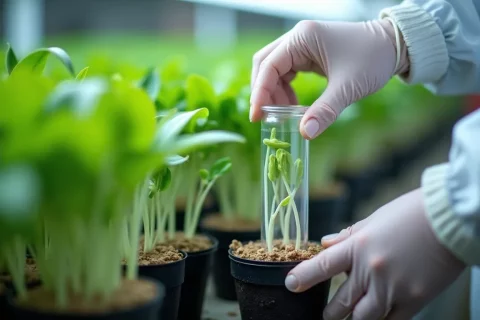
Residual chemistry from the old regime nearly sabotaged the first Encarsia release. Wasps died in numbers that made no sense until Venter traced a bromide fumigant used on the floor three weeks prior, with a half-life longer than the label admitted. Now every block entering conversion gets six weeks minimum washout, sometimes eight, with residue test strips on random leaves before any beneficials ship.
Staff mindset took longer than ecology. His most experienced sprayer, a man named September who had mixed chemicals for eleven years, could not accept walking past a plant with aphids on it. Venter put him in charge of the sticky trap programme, gave him a magnifying lens and a counting chart, and made him the block’s lead scout. September now spots Aphidius mummies faster than anyone and argues against spraying more aggressively than Venter does.
What the block looks like now
The tunnel runs warmer and more humid than before, with the climate adjusted for swirskii reproduction. Banker plants, barley infested with non-pest cereal aphids, sit at the ends of rows as Aphidius reservoirs. Pollen dispensers help swirskii through lean periods. Venter can walk the block on any given morning and find pests present, always, but at densities that do not register on his damage assessments. The system is not clean; it is regulated.
He expanded to a second block in autumn, a third the following spring. The original trial block is now in its third year without a full-coverage spray. Calendar spraying continues on the rest of the nursery, though Venter notes the spray records there have thinned as scouts trained in the IPM blocks find pest pressure lower than expected, even with no beneficial releases. Something is drifting, he suspects, or the crew is simply looking harder and catching problems earlier. He does not mind which.