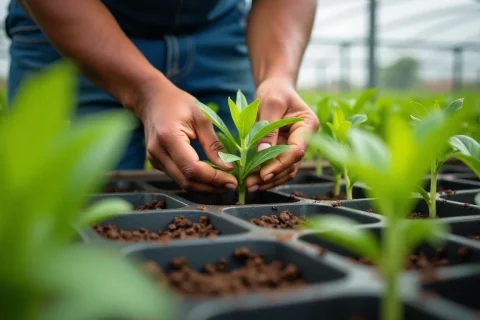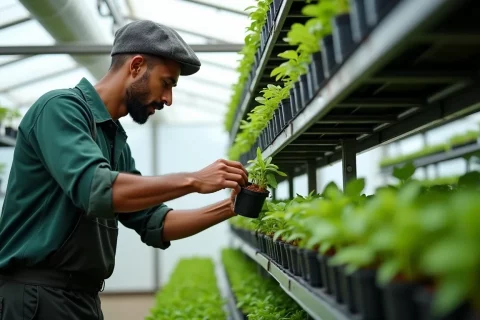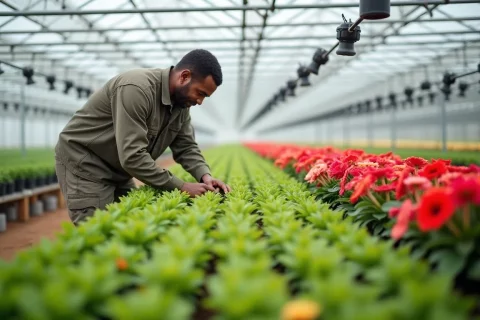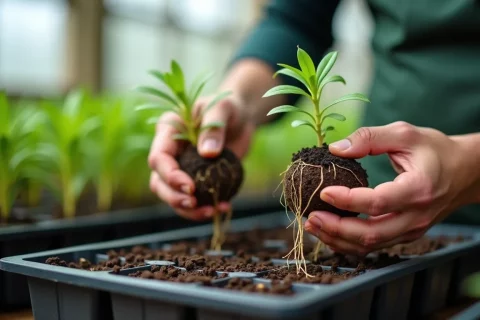


A single imported plant can look like a shortcut to a bigger market and a cleaner margin. In nursery trade terms, that is usually how trouble gets invited in: one fashionable cultivar arrives first, the local competitor is still waiting on propagation material, and the grower who moved fastest gets the headline sale.
A plant does not cross a border alone. It arrives with a paperwork trail, a quarantine clock, lab work, and the possibility that something invisible has travelled under the same leaf canopy. The retail price tags the plant. The pest attached to it can end up pricing the whole industry.
The plant that gets everyone greedy
The temptation is easy to understand: a new rose, a statement hydrangea, a rare foliage plant, something with a bit of social media heat behind it. If your competitor in Gauteng or the Cape has not landed it yet, the first nursery with stock can set the tone for the season.
People start cutting corners in their heads before they cut them on paper. The plant looks healthy. The supplier looks reputable. The order is small. The urge is to treat it like any other box of merchandise instead of a regulated living organism with a risk profile.
In plant health terms, that mindset means a nursery imports a problem and calls it stock.
The paperwork is not decorative
Live plants and propagating material do not move into the country as casually as patio furniture. The Department of Agriculture, through its plant health arm, keeps the gate narrow on purpose. Importers normally need an import permit before the shipment leaves its country of origin. The export side also has to issue a phytosanitary certificate from the exporting nation’s plant protection authority.
Those two documents are only the start. The permit can set conditions around origin, quantity, species, treatment, and what must happen after arrival. Those conditions are tied to a pest risk analysis, where the regulator stops guessing and starts asking what could hitch a ride on the plant.
There is also no universal treatment for every live plant. Quarantine pest lists and regulated pest lists decide what cannot come in, what can come in only under controls, and what must be watched like a hawk. Citrus, roses, and grapevines are obvious red-flag examples because their import pathways can be brutal in their detail. They are exactly the sort of crops that can drag viruses, bacteria, and fungi into the country if someone gets casual.
Quarantine is not a formality
Post-entry quarantine tests optimism.
Depending on the species, where it came from, and the pest risks involved, imported material can sit in quarantine for six months, a year, or even two years. Some high-risk material, especially grapevine or citrus stock, can spend up to 24 months under observation before anyone is willing to call it clean.
That waiting period is expensive, but it is not idle time. Plants are inspected repeatedly for symptoms, then pushed through diagnostics that go far beyond a quick look over the shade cloth. PCR and qPCR can hunt specific pathogens at the molecular level. ELISA screens for certain viruses and bacteria by their proteins. Indicator plants are used when imported material looks innocent but might still carry a latent virus or viroid. Microscopy and culturing help with fungi, bacteria, and nematodes.
ARC-PPRI facilities in Stellenbosch and Pretoria, along with approved private quarantine stations, exist for exactly this kind of work. The whole point is to find what the eye cannot.
If the plant is carrying something regulated, quarantine is the last polite stop before the axe falls.
The real bill is never the invoice price
The importer sees the plant price first. The ledger later tells a different story.
There is the permit fee, the certificate, the freight, the quarantine space, the diagnostic work, and the delay while the plant sits under observation instead of being sold. Then there is the cash tied up in a cultivar that cannot yet earn its keep. That is the obvious part.
The uglier part is crop loss. A contaminated batch can mean the destruction of an entire section of a nursery, not just the few specimens that looked suspicious. A block of 5,000 Hydrangea plants can be wiped out. A rose release can be lost before it reaches the market. At scale, the bill climbs into hundreds of thousands or millions of rand once labour, disposal, treatment, and repeat testing are added.
If the nursery tries to save the crop, pesticide and biological control costs stack up fast. If the pest spreads, the nursery starts paying for surveillance, containment, and often the kind of reputation management no one budgets for when the order is placed.
A nursery can lose more than plants
The damage rarely stops at the gate.
A confirmed outbreak can trigger legal trouble under the Agricultural Pests Act, 1983. It can also wreck market access if trading partners decide South African stock needs more scrutiny or no scrutiny at all because one shipment went rogue. Export-orientated growers feel that immediately. Even growers who never send a plant offshore feel it later when buyers start asking awkward questions.
Reputation is the slow poison in the story. A nursery known for quality can spend years building trust and lose it in a season. Landscapers notice. Retail buyers notice. Other growers absolutely notice. In this trade, word travels faster than a tagged tray of plugs.
Once a pest establishes itself, it changes the cost of production for everyone. More sprays. More scouting. More resistant cultivars. More labour. More paperwork. One bad import can create a permanent tax on the whole category.
The fashionable cultivar is not innocent
People like to dodge this part. The imported plant is not the villain. It is valuable, desirable, and sometimes exactly what a market wants. The market often rewards speed more loudly than caution.
A nursery that imports properly moves slower at the front end and survives longer at the back end. A nursery that wants to beat its competitors into the market may treat biosecurity as friction. That is usually when the maths goes bad. The extra month or two spent on permit, quarantine, and diagnosis is cheap compared with rebuilding a block, replacing a crop, or explaining to customers why the plant they bought became the reason their own stock went off.
The sharpest operators in the trade already know this. They do not ask whether the plant looks clean enough. They ask what the import pathway demands, where it will be held, who will test it, and what happens if the result is ugly.
What to do this weekend
If you are considering an import, or you already have one in motion, do these three things before Monday.
1. Pull the paperwork together and check whether the species needs a specific protocol, not just a generic import form. 2. Ask where the material will sit if it has to go through post-entry quarantine, and for how long. 3. Get the diagnostic pathway in writing, including who pays if the plant fails inspection or tests positive.
If you only do one thing, do this: treat a fashionable cultivar as a regulated biosecurity event first and a sales opportunity second. That order is less glamorous, but it is also the reason some nurseries still have a business after the new plant stops being new.